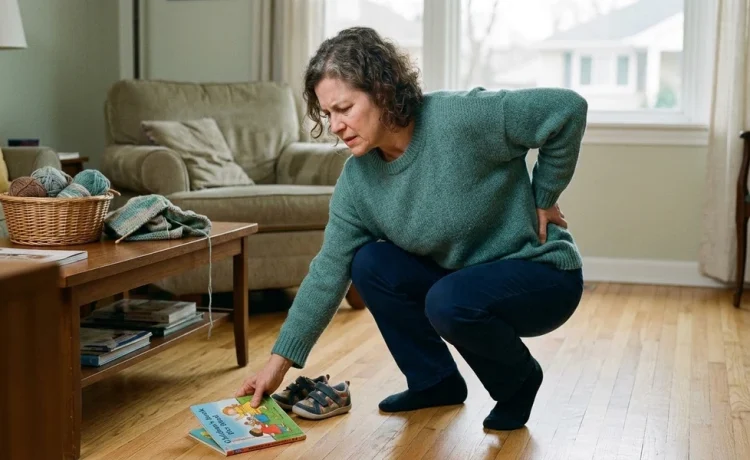
Back pain is common, but it can become much more disruptive when nerve symptoms are involved. Tingling, numbness, burning pain, weakness, or shooting sensations down the legs can make everyday routines feel harder than they used to. Walking across a room, getting dressed, sleeping through the night, or standing long enough to cook a meal may start taking more effort.
These symptoms can affect more than physical comfort. Over time, chronic pain and nerve irritation may interfere with mobility, sleep, mood, work, family responsibilities, and personal independence. Recognizing how these problems show up in daily life can help people understand when symptoms may be more than a temporary inconvenience.
How Back Pain Can Change Daily Movement
Back pain often changes the way a person moves, sometimes without them noticing at first. Someone may start walking more slowly, leaning to one side, avoiding stairs, or sitting down more often to ease discomfort. These adjustments may help in the moment, but they can also place extra strain on other muscles and joints.
When pain lasts for weeks or months, the body can become less conditioned. Muscles that support the spine may weaken, flexibility can decrease, and balance may feel less steady. This can create a frustrating cycle: movement causes pain, pain leads to avoidance, and avoidance makes future movement even harder.
A chronic back pain doctor may evaluate how pain behaves during daily activities, including bending, walking, sitting, and lifting. Clinics such as CalSpine MD are examples of healthcare settings where chronic back pain concerns may be assessed in relation to function, symptom patterns, and possible treatment options.
Why Nerve Symptoms Feel Different From Muscle Pain
Muscle pain is often described as soreness, tightness, cramping, or aching. Nerve symptoms can feel very different. People may notice sharp, electric, burning, stabbing, or radiating sensations. Pain may travel from the lower back into the buttock, thigh, calf, or foot. Sometimes, numbness or weakness may be more noticeable than pain itself.
Nerve symptoms can happen when nerves are irritated, compressed, inflamed, or affected by a spinal condition. Possible causes may include a herniated disc, spinal stenosis, degenerative disc changes, or other structural issues. Since the exact cause can vary, persistent symptoms should be discussed with a qualified clinician.
These symptoms can also be unpredictable. A person may feel comfortable while sitting, then experience shooting pain after standing. Another person may feel worse at night or after walking a certain distance. That inconsistency can make it harder to plan daily activities with confidence.
Effects on Walking, Balance, and Stamina
Nerve-related back problems may affect walking in several ways. Pain can limit stride length, while numbness in the leg or foot can make it harder to feel the ground. Weakness may cause the leg to feel heavy, unstable, or unreliable. Some people begin using furniture, walls, or railings for support.
Balance can also become a concern. When sensation in the feet or legs is reduced, the body gets less feedback about position and movement. This may increase the risk of trips, slips, or falls, especially on stairs, uneven surfaces, or in low-light areas.
Stamina may gradually decline as well. Someone who once walked through a grocery store comfortably may start needing breaks halfway through. Another person may avoid errands altogether because standing in line or walking through a parking lot feels overwhelming.
When Pain Interrupts Sleep and Recovery
Sleep is one of the most common areas affected by chronic back pain and nerve symptoms. Lying down may increase pressure in certain areas of the spine, and some positions may trigger radiating pain. People may toss and turn, wake frequently, or need to sleep in a chair to feel more comfortable.
Poor sleep can make pain feel worse the next day. When the body does not get enough restorative rest, inflammation, muscle tension, mood changes, and fatigue can become harder to manage. Pain and sleep problems may feed into each other, creating a cycle that is difficult to break.
For some individuals, nerve and spinal disorder treatment may involve identifying the source of symptoms and creating a care plan that supports both comfort and function. Providers such as Haynes Neurosurgery may evaluate nerve-related and spinal conditions when symptoms are persistent, progressive, or interfering with daily activities.
Impact on Work, Hobbies, and Household Tasks
Back pain and nerve symptoms can interfere with both physical and desk-based work. Jobs that involve lifting, bending, standing, driving, or repetitive movement may become harder to perform safely. Even office work can be affected if sitting for long periods increases pain or causes leg symptoms.
Household responsibilities can become harder, too. Laundry, vacuuming, cooking, carrying groceries, yardwork, and cleaning bathrooms often require bending, twisting, lifting, or standing. A person may start leaving tasks unfinished or relying more heavily on family members.
Hobbies may also feel less accessible. Gardening, walking, golf, dancing, travel, playing with grandchildren, or attending community events can become more difficult when pain is unpredictable. That loss can feel deeply personal because hobbies often provide enjoyment, social connection, and a sense of identity.
The Link Between Chronic Pain and Independence
Independence is not only about living alone or completing major tasks. It also includes smaller choices, such as showering safely, preparing a meal, getting to an appointment, or moving around the home without fear. When pain limits these activities, confidence may decline.
Some people adjust their environment to reduce strain. This may include using shower chairs, grab bars, reacher tools, supportive footwear, walkers, or rearranged furniture. These changes are not signs of failure. They can be practical ways to support safety and preserve function.
For people who need help with mobility and home support services, alpenglowcaresnm.com is a resource for home-based assistance. Support at home may help individuals manage daily routines more safely while dealing with chronic pain, reduced stamina, or mobility challenges.
Emotional and Social Effects of Ongoing Symptoms
Chronic pain can affect emotional well-being. A person may feel frustrated, anxious, discouraged, or guilty about needing help. The uncertainty of symptoms can also create stress, especially when pain flares without warning or interferes with plans.
Social life may gradually shrink. Someone may decline invitations because they are unsure whether they can sit through dinner, walk through a venue, or tolerate a long car ride. Over time, this can lead to isolation, which may worsen stress and make pain feel even harder to manage.
These reactions are understandable. Chronic pain affects the whole person, not just the spine. Support from healthcare providers, family, friends, and community resources can make a meaningful difference in coping and maintaining quality of life.
When Symptoms Should Be Discussed With a Healthcare Provider
Back pain that improves with rest and simple self-care may not always require urgent attention. Still, symptoms that persist, worsen, or interfere with basic activities should be evaluated. Numbness, weakness, radiating leg pain, balance issues, or pain that disrupts sleep are signs worth discussing with a clinician.
Primary care providers often play an important role in chronic pain management. They may review medical history, medications, lifestyle factors, prior injuries, and other health conditions. They may also help coordinate referrals, imaging, physical therapy, medication management, or other next steps when appropriate.
A chronic pain management and primary care visit at a setting such as Grand Forks Clinic may focus on how symptoms affect daily function, sleep, mood, and independence. This type of evaluation can help determine whether additional testing, conservative care, specialist input, or ongoing monitoring may be needed.
Practical Ways to Protect Daily Function
Managing chronic back pain and nerve symptoms often involves small, consistent adjustments. Gentle movement, when approved by a healthcare provider, may help maintain flexibility and strength. Avoiding all activity can sometimes make stiffness and weakness worse, while doing too much may trigger flares.
Pacing can also help. Instead of completing one large task all at once, a person may break it into smaller steps. For example, meal preparation can be divided into sitting, chopping, resting, cooking, and cleanup. Household chores can be spread across the day or week.
Body mechanics matter as well. Using the legs instead of the back when lifting, keeping commonly used items within easy reach, avoiding prolonged positions, and changing posture throughout the day may reduce strain. These changes do not replace medical care, but they can support daily comfort and function.
Conclusion
Back pain and nerve symptoms can affect much more than the back itself. They may change how a person walks, sleeps, works, completes household tasks, and participates in social life. Over time, these changes can influence confidence, independence, and overall well-being.
Recognizing the impact of symptoms is an important step. When pain, numbness, weakness, or radiating sensations begin interfering with everyday activities, it may be time to seek guidance from a qualified healthcare provider. With proper evaluation, practical support, and thoughtful daily adjustments, many people can better manage symptoms and protect their quality of life.