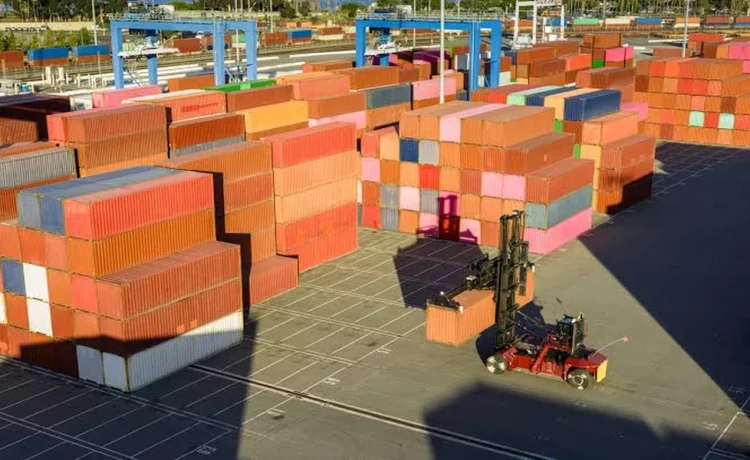
Freight forwarding involves managing the movement of goods across borders, and proper documentation is one of the most important parts of the process. Whether you are importing products into Australia or exporting goods overseas, having accurate paperwork helps prevent delays, compliance issues, and unexpected costs.
Businesses using freight forwarding Brisbane services need to understand which documents are required to ensure their shipments move efficiently through customs and reach their destination without complications.
Why Documentation Matters in Freight Forwarding
Every shipment requires specific documents that provide details about the goods, their origin, value, and transportation arrangements. Incorrect or incomplete paperwork can result in customs delays, fines, or even shipment rejection.
Professional freight forwarders help businesses prepare and manage these documents while ensuring compliance with Australian import and export regulations.
Key Documents Required for Freight Forwarding in Brisbane
1. Commercial Invoice
A commercial invoice is one of the most important documents in international trade. It provides customs authorities with essential information about the transaction.
It usually includes:
- Seller and buyer details
- Description of goods
- Quantity and value of products
- Payment terms
- Country of origin
- Shipping information
Customs officials use this document to calculate duties and taxes applicable to the shipment.
2. Packing List
A packing list provides detailed information about how goods are packaged and transported. It helps freight handlers and customs officers verify shipment contents.
A typical packing list includes:
- Number of packages
- Weight and dimensions
- Product descriptions
- Packaging type
- Shipping marks and labels
Accurate packing details help avoid handling issues during transportation.
3. Bill of Lading or Air Waybill
The bill of lading is required for sea freight, while an air waybill is used for air shipments. These documents act as proof of transportation agreements between the shipper and carrier.
They contain:
- Shipment details
- Carrier information
- Destination details
- Terms and conditions of transport
These documents also serve as receipts confirming that goods have been accepted for shipment.
4. Import and Export Permits
Some products require special approval before entering or leaving Australia. Depending on the type of goods, businesses may need licenses or permits from government authorities.
Examples include:
- Food products
- Agricultural goods
- Chemicals
- Pharmaceutical items
- Restricted materials
Checking requirements before shipping helps avoid unnecessary delays.
Additional Documentation for Brisbane Importers and Exporters
Businesses working with Brisbane freight forwarding services for import and export documentation often require additional paperwork depending on the shipment type and destination country.
Common additional documents include:
- Certificate of Origin
- Customs declaration forms
- Insurance certificates
- Inspection certificates
- Dangerous goods declarations
- Export declarations
These documents provide transparency and ensure shipments meet international trade requirements.
How Freight Forwarders Help With Documentation
Managing international shipping paperwork can be complex, especially for businesses handling multiple suppliers and destinations. Experienced freight forwarders provide support by organizing documents, checking accuracy, and coordinating with customs authorities.
Their services can help with:
- Document preparation and verification
- Customs clearance assistance
- Compliance checks
- Shipment tracking
- Communication with carriers
This reduces administrative workload and allows businesses to focus on their operations.
Tips for Preparing Freight Documentation Successfully
To avoid common shipping problems, businesses should follow these best practices:
- Prepare documents before the shipment leaves the supplier
- Double-check product descriptions and values
- Ensure all information matches across documents
- Keep digital copies of important paperwork
- Work with experienced freight professionals
- Understand destination country requirements
Conclusion
Proper documentation is the foundation of successful freight forwarding in Brisbane. From commercial invoices and packing lists to permits and customs forms, every document plays an important role in ensuring smooth transportation.
By working with reliable freight forwarding brisbane providers and using professional Brisbane freight forwarding services for import and export documentation, businesses can simplify international shipping, reduce delays, and maintain compliance with trade regulations.