Plumbing problems can arise when you least expect them. Whether it’s a slow drain or a leaking pipe, these issues can cause frustration and even damage your home. But don’t worry! Here are five plumbing tips that will help you prevent common issues and keep your home running smoothly.
1. Prevent Clogs with Simple Drain Care
One of the most common plumbing problems is clogged drains. Hair, soap scum, and food particles can easily build up and cause blockages. To prevent this, always use drain covers to catch debris before it enters your pipes.
You can also regularly clean your drains by pouring a mix of baking soda and vinegar down them. This simple routine can help keep your pipes clear and reduce the risk of clogs. If you notice water draining slowly, take action immediately.
2. Stop Leaks Before They Start
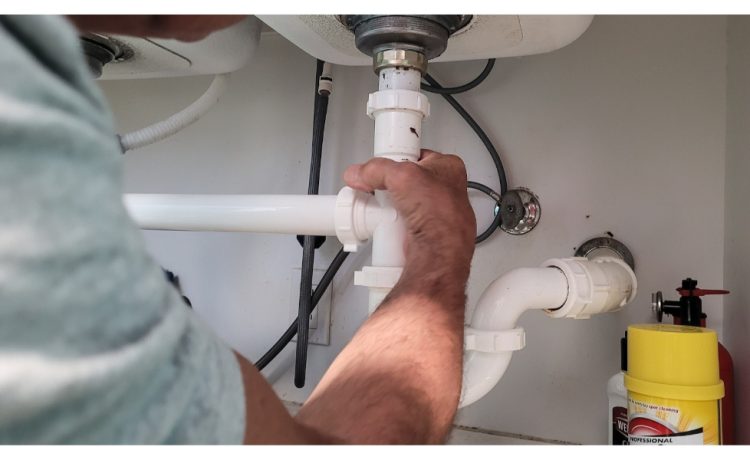
Leaky pipes are a major headache. Even small leaks can waste water and cause serious damage over time. To avoid this, regularly check your pipes for any signs of leaks. Look for water stains on ceilings, walls, or floors.
If you spot a leak, try to fix it immediately using pipe tape or a patch kit until a professional can repair it properly. A great way to catch leaks early is by inspecting your water meter. Fixing leaks early saves you money and prevents further damage to your home.
3. Know When to Consider Water Well Drilling
If you live in a rural area or want to reduce your dependence on municipal water, consider water well drilling. A well can provide a reliable source of water directly from the ground, which could be a more affordable long-term option.
Before drilling, make sure to check local regulations and hire a professional to assess the site. Proper installation is key to ensuring the quality and safety of your well water. Water well drilling also requires regular maintenance.
4. Replace Your Water Heating System When It’s Time
Your water heater plays a crucial role in daily life, providing hot water for showers, cleaning, and cooking. Over time, water heaters can lose efficiency or break down entirely. If your heater is over 10 years old or showing signs of failure, it might be time for a replacement.
Timely water heating system replacement may seem like a big investment, but it can save you money in the long run by improving energy efficiency. New models are much more efficient and can lower your energy bills.
5. Know How to Shut Off Your Water
Knowing how to shut off your water is essential in case of an emergency, such as a burst pipe or a serious leak. Locate your main water valve and make sure you can easily access it. You should also know where the shut-off valves are for individual appliances like your water heater and washing machine.
In an emergency, quickly turning off the water can prevent significant damage to your home. Regularly test your valves to ensure they work properly. This simple step could save you a lot of trouble when disaster strikes.
Conclusion
By following these five plumbing tips, you can avoid common problems and ensure your home’s plumbing system stays in good condition. Prevent clogs, catch leaks early, consider water well drilling if necessary, replace outdated water heaters, and always know how to shut off your water in an emergency. Taking care of your plumbing can save you time, money, and stress in the long run.